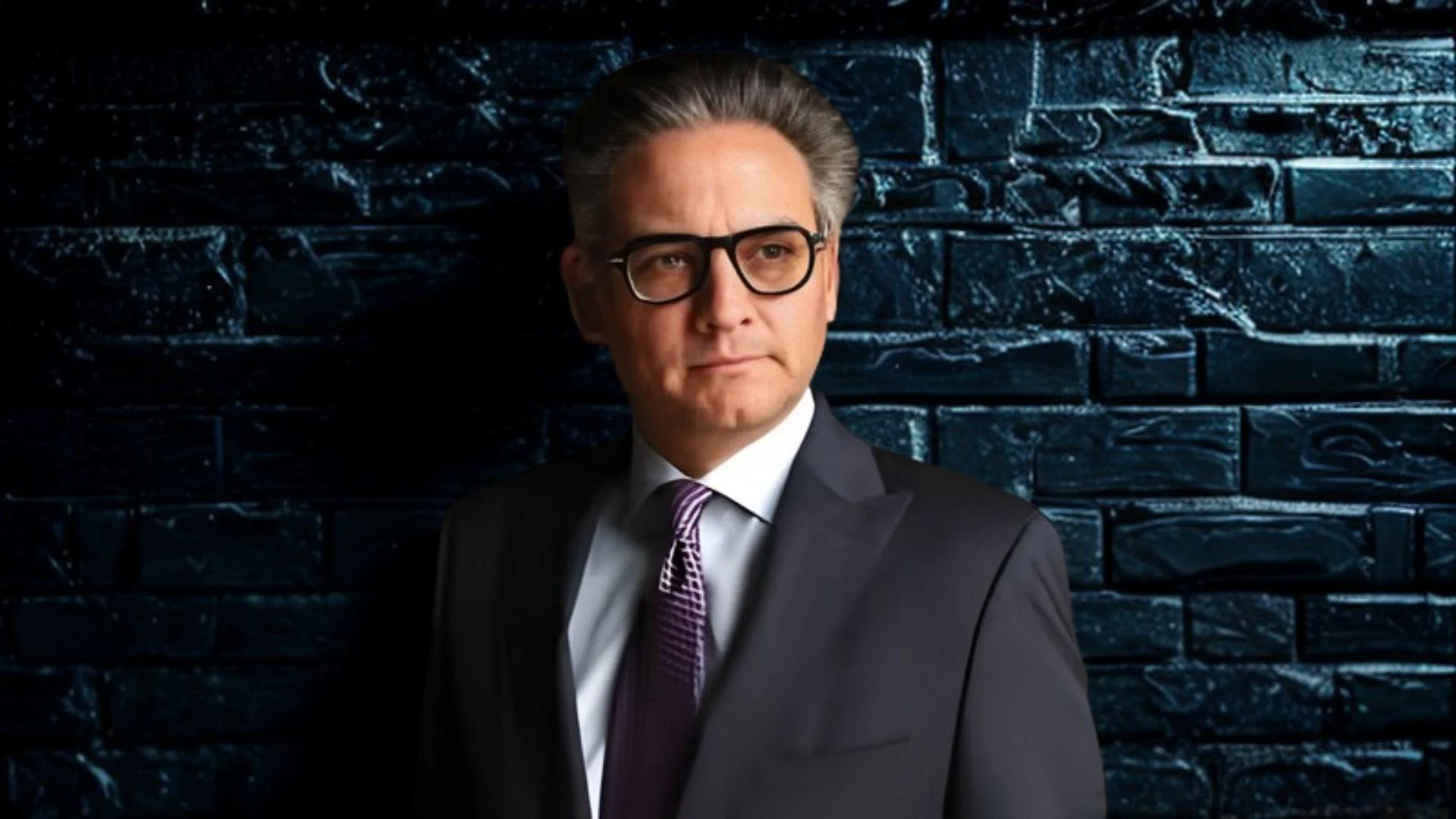
Dutch Rojas, founder of Bliksem Health, said that a small number of insurers and their pharmacy benefit managers (PBMs) have significant control over U.S. healthcare by managing networks, pharmacies, and algorithms that determine care approvals.
"UnitedHealth. CVS. Elevance. Cigna. Centene. The Five Families of Healthcare. Together they control 52% of the U.S. insurance market," said Rojas. "They don't merely process claims. They orchestrate the system. This is not innovation. It is quiet domination. They own the physician networks. They own the pharmacies. They own the PBMs."
According to the American Medical Association, U.S. commercial insurance markets are highly concentrated. Under the updated Department of Justice (DOJ) and Federal Trade Commission (FTC) merger guidelines, 95% of metropolitan areas were considered "highly concentrated" in 2022. In 48% of Metropolitan Statistical Areas (MSAs), a single insurer held at least 50% market share. This concentration weakens competition, limits consumer choice, and gives vertically integrated payers leverage over physicians, patients, and pricing.
Optum, the services arm of UnitedHealth Group, spent approximately $31 billion on acquisitions over two years, expanding into physician practices and outpatient facilities. This acquisition strategy demonstrates how payers vertically integrate across delivery systems, data management, and pharmacy operations. Rojas warns that such power now resides with a few large conglomerates.
The Federal Trade Commission's second interim report on PBMs found that the "Big 3" PBMs—CVS Caremark, Express Scripts, and OptumRx—generated more than $7.3 billion from 2017 to 2022 by significantly marking up specialty generics at their affiliated pharmacies. These findings support calls for measures to curb self-dealing and require pass-through pricing so that patients benefit from discounts rather than intermediaries.
Rojas is a healthcare entrepreneur advocating for physician-led care. He founded Bliksem Health as a federation model designed to preserve practice independence by pooling leverage and capital while maintaining clinician autonomy. He has also held leadership roles in direct-care ventures and frequently comments on payment policy, price transparency, and consolidation dynamics in U.S. healthcare.



 Alerts Sign-up