
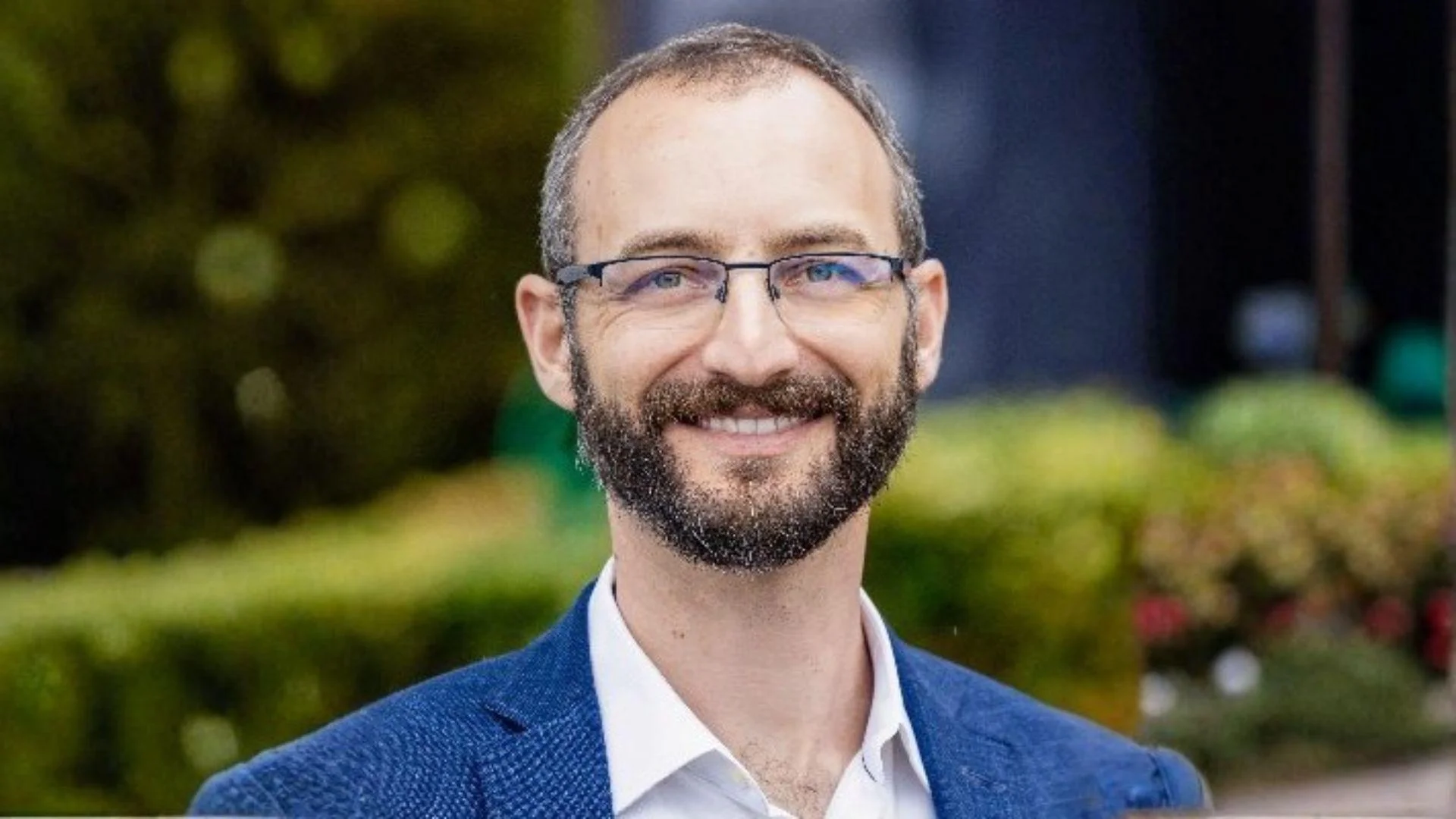
Anthony M. DiGiorgio, DO, MHA, an assistant professor of neurosurgery at the University of California, San Francisco (UCSF), expressed concerns about the 340B program during an appearance on the Healthcare Unfiltered podcast. "The 340B program rewards hospitals for treating well-insured patients instead of expanding care for low-income patients," he said.
"once a hospital meets this threshold, they're actually disincentivized from treating more poor patients," said DiGiorgio. "Because reselling the drugs to a medicaid patient or a poor patient is not going to generate you a large amount of revenue. Reselling it to wealthy patients generates more revenue because they have private insurance, and so they can charge more for the drugs. the incentives are totally misaligned."
The 340B program is a federal initiative that mandates drug manufacturers to provide outpatient drugs at reduced prices to safety-net hospitals and clinics. It has faced scrutiny due to its rapid growth in contract-pharmacy arrangements and gaps in oversight. These issues have raised questions about whether the discounts are benefiting patients or primarily generating revenue for covered entities. Concerns about placement and compliance risks have led to calls for increased monitoring and transparency.
According to a study published in Health Affairs, 340B contract pharmacies in Texas are often located in less vulnerable areas compared to the covered entities they serve. This pattern was consistent across various datasets and social-vulnerability measures, suggesting that the growth of the 340B program may favor wealthier, insured neighborhoods, potentially limiting access for low-income patients who are the intended beneficiaries of the program.
Drug Channels reports that five major chains and pharmacy benefit managers (PBMs)—CVS, Walgreens, Walmart, Express Scripts/Cigna, and Optum Rx/UnitedHealth—control 76.1% of 340B contract-pharmacy relationships. The number of PBM-affiliated mail/specialty ties has increased significantly from 14,000 in 2020 to an estimated 57,000 by 2025. PBM specialty pharmacies retain a portion of the 340B discounts, with profits often funded by third-party payers and commercially insured patients.
DiGiorgio is not only a neurosurgeon but also a health policy researcher at UCSF. His professional work includes clinical practice, academic roles, and policy engagement concerning programs like 340B. He has authored commentary and testified on payment reform and access issues within U.S. healthcare.



 Alerts Sign-up