
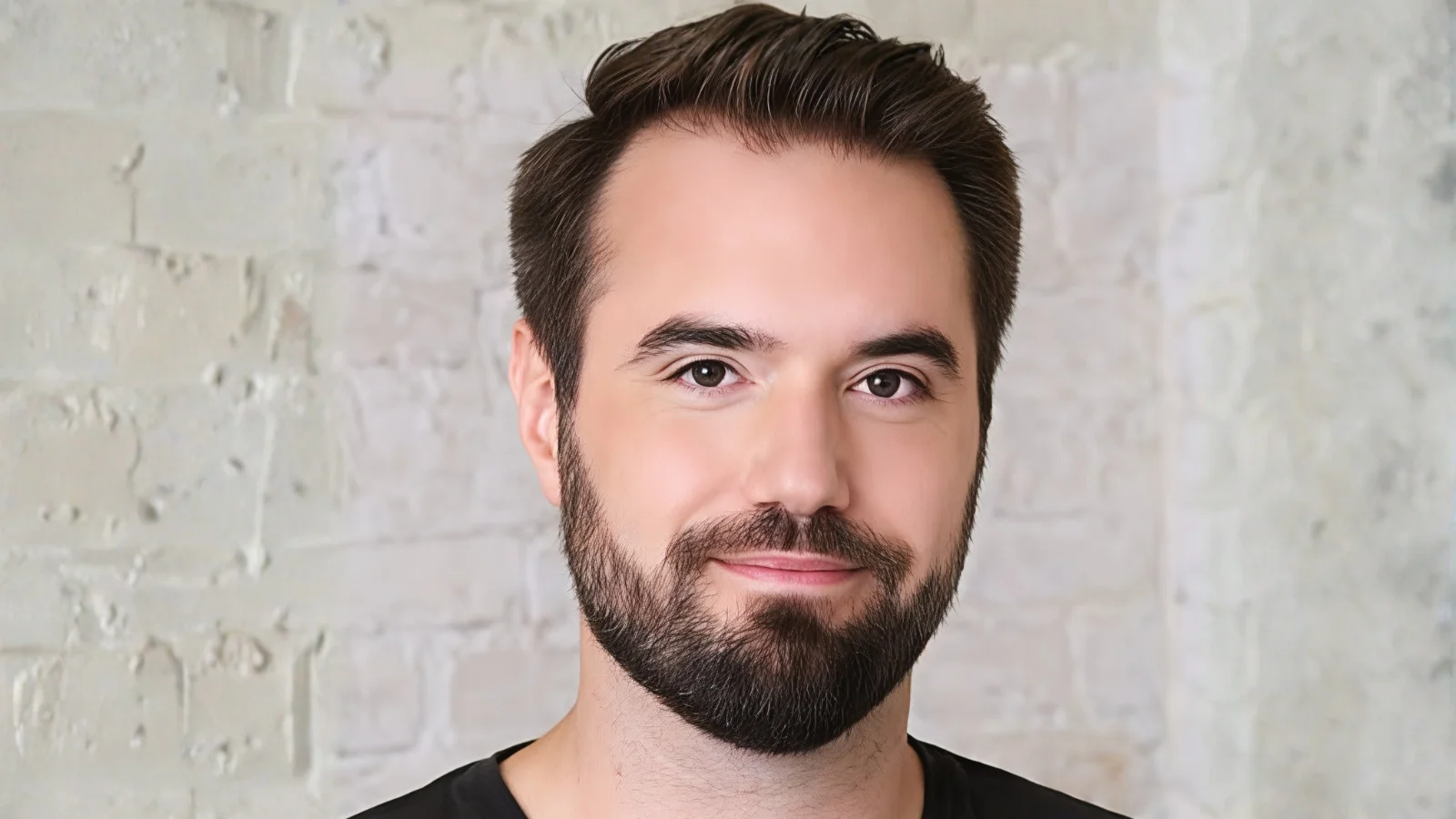
July 15, a writer with sensory dysregulation and misophonia describes feeling marginalized within neurodivergent advocacy communities due to the lack of formal diagnostic criteria for their experiences.
The writer explains, "As a person with sensory dysregulation and misophonia, I often find myself on the outskirts of neurodivergent advocacy. Despite so many overlapping attributes, I find myself at a loss when I have to explain sensory dysregulation and misophonia as there is currently no diagnosis or criteria. I have done countless screenings on myself for ADHD and Autism, and I never meet the criteria, even though my sensory scores are at the maximum end. Although I was ‘diagnosed’ with ADHD at 7 years old, this has never felt like the true answer to my personal struggles. And yet, neurodivergence itself is the best way to explain my different brain and nervous system. I have found myself agreeing with many of the things I see in neurodivergent communities: different processing, overwhelm, problems with understanding my body’s internal states, the need for proprioceptive input, vestibular issues and more. There is no formal description for those of us who suffer from numerous aspects of these neurodivergent states without a cut-and-dry diagnosis for autism or ADHD. This can lead to a feeling of not belonging anywhere. What I experience is not merely mental illness as my entire processing system is different from the ‘neurotypical’ experience, and yet, I do not have the language to explain my differences to those around me. As a clinician, I know the power that these labels can have for better or worse. In the modern era, many persons are organizing themselves through their identity and their lived and shared experiences. For those of us struggling with sensory dysregulation or neurodiverse brains that don’t fit neatly in a box, this can be perplexing and confusing to navigate. While terms like Misophonia, Sensory Integration Dysfunction and Sensory Processing Disorder exist, these are not verified diagnoses and are rife with conflicts and inconsistencies—such as the conundrum of why persons with ‘misophonia’ often have other dysregulation such as sight, smell, and touch. SID and SPD are also debated heavily within their own communities, and thus this leaves us with more questions than answers. This is why I use the term sensory dysregulation because for those of us who are dysregulated without answers, we are often a lost tribe searching for answers. I do not think that a specific diagnosis is 100% necessary to explain our experiences, but I do believe we need shared language to help those who struggle come together without tribes or pedantic arguments on exact definitions. While I do not have ADHD or autism, I do identify as neurodivergent and I hope that shared language can help academic literature, advocacy, and clinicians come together to understand forms of neurodivergence that live outside the previously existing criteria of diagnosis and help explain a more diverse neurological landscape."
The writer highlights the absence of a formal description for individuals who experience aspects of neurodivergence without meeting the criteria for autism or ADHD. This lack of recognition, they say, can lead to feelings of isolation and difficulty in communicating their experiences to others.
Terms such as Misophonia, Sensory Integration Dysfunction, and Sensory Processing Disorder are mentioned, but the writer notes these are not verified diagnoses and are subject to debate and inconsistency within their respective communities. The writer said this leaves many individuals with more questions than answers.
The writer concludes by advocating for the development of shared language to unite those with sensory dysregulation and to foster understanding among academic, advocacy, and clinical communities. They said that while a specific diagnosis may not be necessary, a common vocabulary could help explain a broader range of neurodivergent experiences.




 Alerts Sign-up