
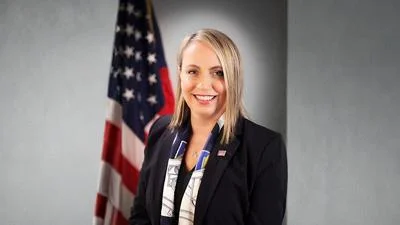
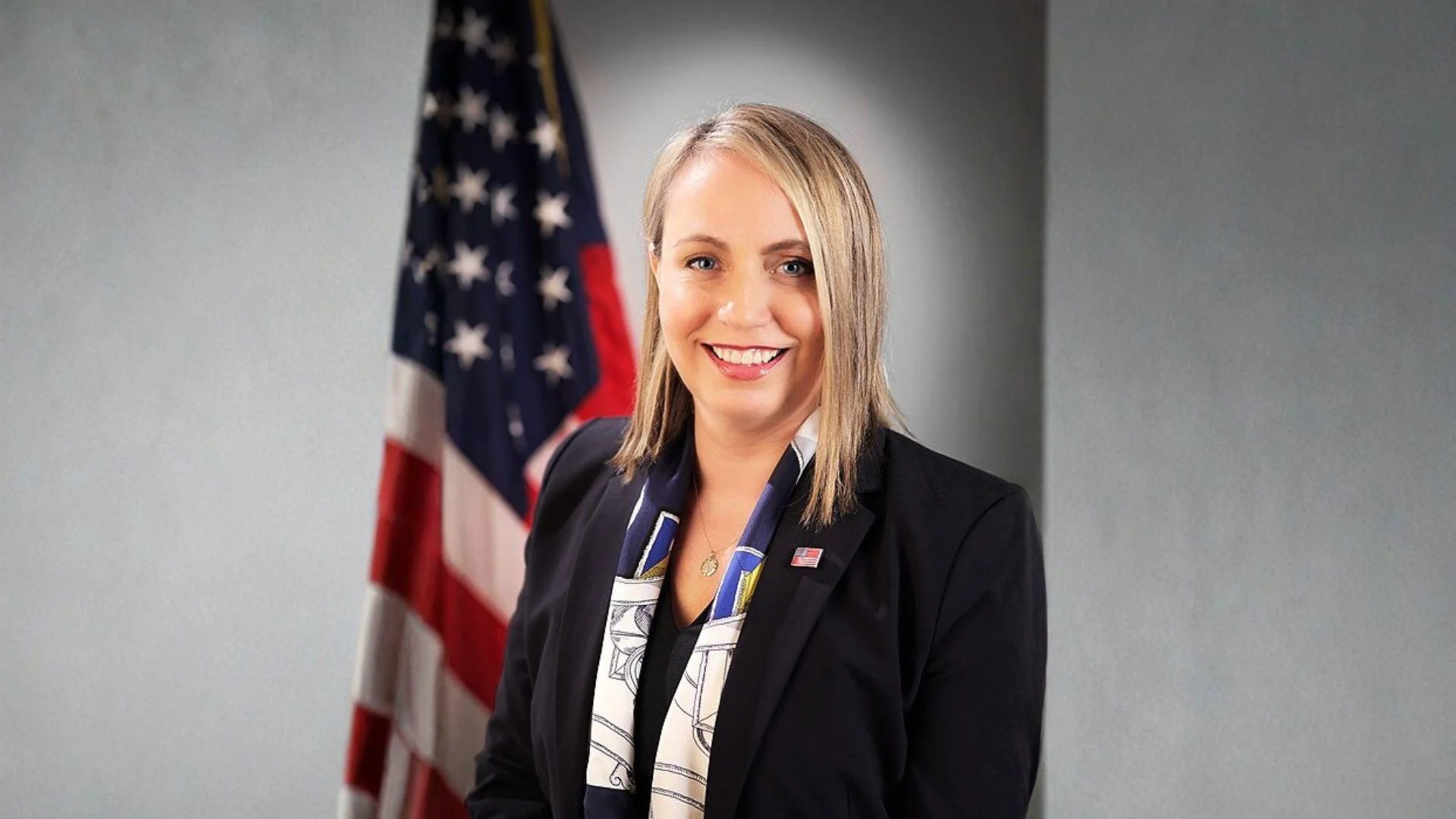
Jennifer Riley, Executive Director of Patients Come First Pennsylvania, has called for increased oversight and transparency of pharmacy benefit managers (PBMs). She argues that broader reforms are necessary to prevent these entities from undermining local pharmacies and leaving rural communities without essential care.
"Since early 2020, roughly 1,100 licensed pharmacies have closed, leaving communities with fewer options for prescriptions, vaccines, and basic health care support," said Riley. "When a local pharmacy closes, residents often face long drives, delayed refills, or skipped doses, creating real risks for people managing chronic conditions. PBMs continue to set reimbursement rates that often fall below the cost of dispensing medications. Independent pharmacists are still filling prescriptions at a loss just to keep their doors open. As pharmacy closures accelerate, Pennsylvania needs stronger enforcement, greater transparency, and broader reforms to ensure PBMs cannot continue practices that undermine the pharmacies rural communities rely on."
According to a 2025 study published in JAMA Network Open, pharmacy closures are a widespread issue across the United States. The study found that 57.1 million people, or 17.7% of the population, live in "pharmacy deserts," while another 28.9 million individuals, accounting for 8.9%, rely on a single nearby pharmacy. Small rural areas are particularly vulnerable to these closures, which result in longer travel distances for patients and delays in refilling prescriptions, thereby jeopardizing adherence to medication regimens and access to vaccinations and basic clinical services.
The Federal Trade Commission's (FTC) second interim staff report highlights that the "Big 3" PBMs—CVS Caremark, Express Scripts, and OptumRx—generated $7.3 billion between 2017 and 2022 by marking up specialty generics significantly. The report indicates that these PBMs engage in preferential reimbursement practices for their affiliated pharmacies, which increases pressure on independent pharmacies and raises costs throughout the healthcare system.
National trends in pharmacy closures are concerning. A study reported by the Associated Press found that nearly 30% of U.S. drugstores, over 26,000 locations, closed between 2010 and 2021. These closures have disproportionately affected Black and Latino neighborhoods. Researchers caution that continued closures will exacerbate gaps in care as pharmacies also provide vaccines, counseling services, and overdose prevention alongside prescription medications.
Patients Come First is an advocacy organization dedicated to ensuring patients receive necessary care without barriers or delays to innovation. The group promotes patient-centered policy through advocacy efforts, education initiatives, and collaboration with stakeholders. In Pennsylvania, Jennifer Riley leads the organization with a focus on improving access to healthcare services and increasing transparency within the system.




 Alerts Sign-up