
Adapted cognitive behavioral therapy (CBT) is being highlighted as a supportive approach for individuals with misophonia, a condition characterized by intense emotional and physiological responses to specific auditory or visual triggers, as of July 20.
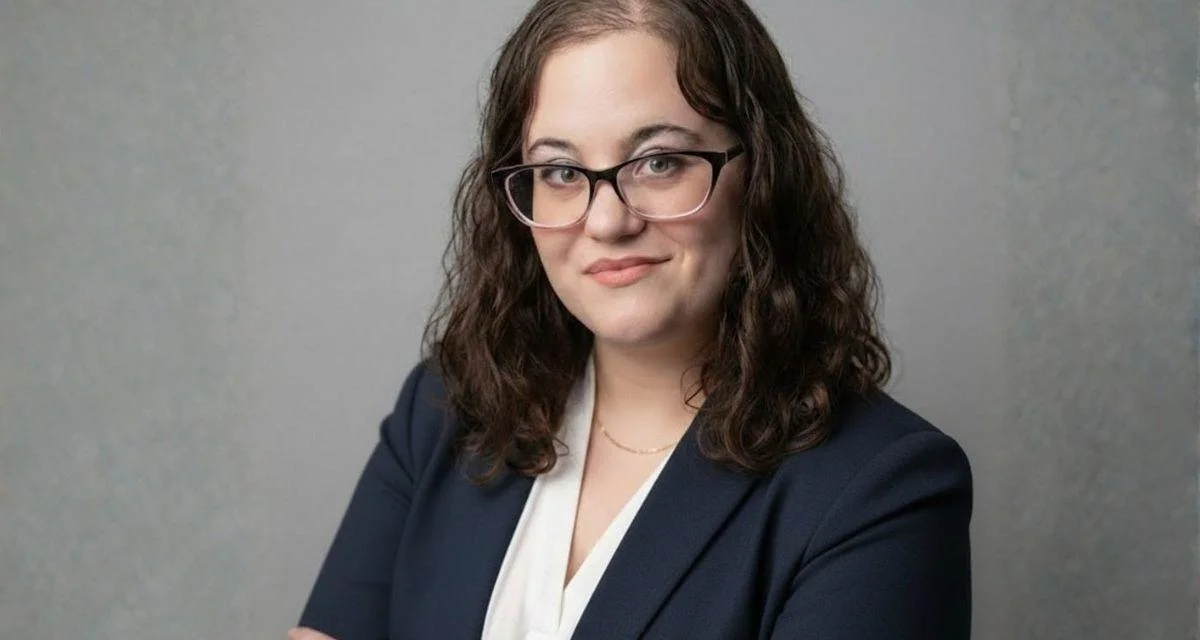
Traditional CBT is often used to address irrational fears or unhelpful behavioral habits, but this framework does not align with the needs of those with misophonia. According to Shaylynn Hayes-Raymond, "Within traditional psychiatric and psychological frameworks, Cognitive Behavioral Therapy (CBT) is often viewed as a tool to dismantle irrational fears or unhelpful behavioral habits. However, when an individual is dealing with misophonia, treating the condition like a standard phobia or anxiety disorder is a fundamental clinical mistake. Misophonia is not a fear-based condition or a behavioral choice; it is a primary neurophysiological difference where specific auditory or visual inputs trigger an immediate, involuntary fight-flight-freeze reflex. Because this response bypasses conventional cognitive processing, standard therapeutic goals must be completely reframed."
Hayes-Raymond said that standard exposure therapy, which relies on habituation to feared stimuli, is not effective for misophonia. "Forcing someone with misophonia to endure prolonged exposure to a trigger sound does not lead to desensitization. Instead, it stacks stress upon stress, wears down their emotional baseline, and frequently accelerates severe neurodivergent burnout. Clinicians must actively move away from exposure-based methods and recognize that a person’s instinct to protect their nervous system is an act of survival, not a clinical failure."
Adapted CBT for misophonia focuses on managing the aftermath of acute neurological responses rather than attempting to eliminate the triggers. Hayes-Raymond outlined that this approach includes robust psychoeducation to validate the individual's experience, somatic and emotional regulation strategies such as mindfulness and grounding exercises, and proactive environmental planning to minimize sensory overload. "Rather than a prescriptive, rigid checklist, this approach offers a highly flexible toolkit tailored to the individual’s unique daily capacity," Hayes-Raymond said.
Empirical evidence supports the effectiveness of adapted CBT for misophonia. Hayes-Raymond referenced a 2021 randomized clinical trial by Jager and colleagues, stating, "A landmark 2021 randomized clinical trial conducted by Jager and colleagues demonstrated that an adapted CBT model yielded significant, lasting positive outcomes. The study revealed an observed clinical improvement in 37% of participants within the CBT treatment group, compared to a 0% improvement rate in the waitlist control group. Crucially, follow-up evaluations confirmed that these positive changes were successfully maintained one year after the intervention concluded."
Hayes-Raymond concluded, "Ultimately, adapted CBT provides a vital framework for mitigating the severe impairments often tied to misophonia, such as chronic anxiety, profound social isolation, and relational strain. It recognizes that coping looks different for everyone, and the failure of a specific cognitive exercise is a reflection of the tool’s limitations, not the patient’s willpower. By building interventions around the authentic, personal experiences of neurodivergent individuals, clinicians can offer ethical, compassionate care that respects the physiological reality of the condition. True support doesn’t demand that an individual change how their brain perceives a sound—it gives them the tools and boundaries necessary to live safely alongside it."
 Alerts Sign-up