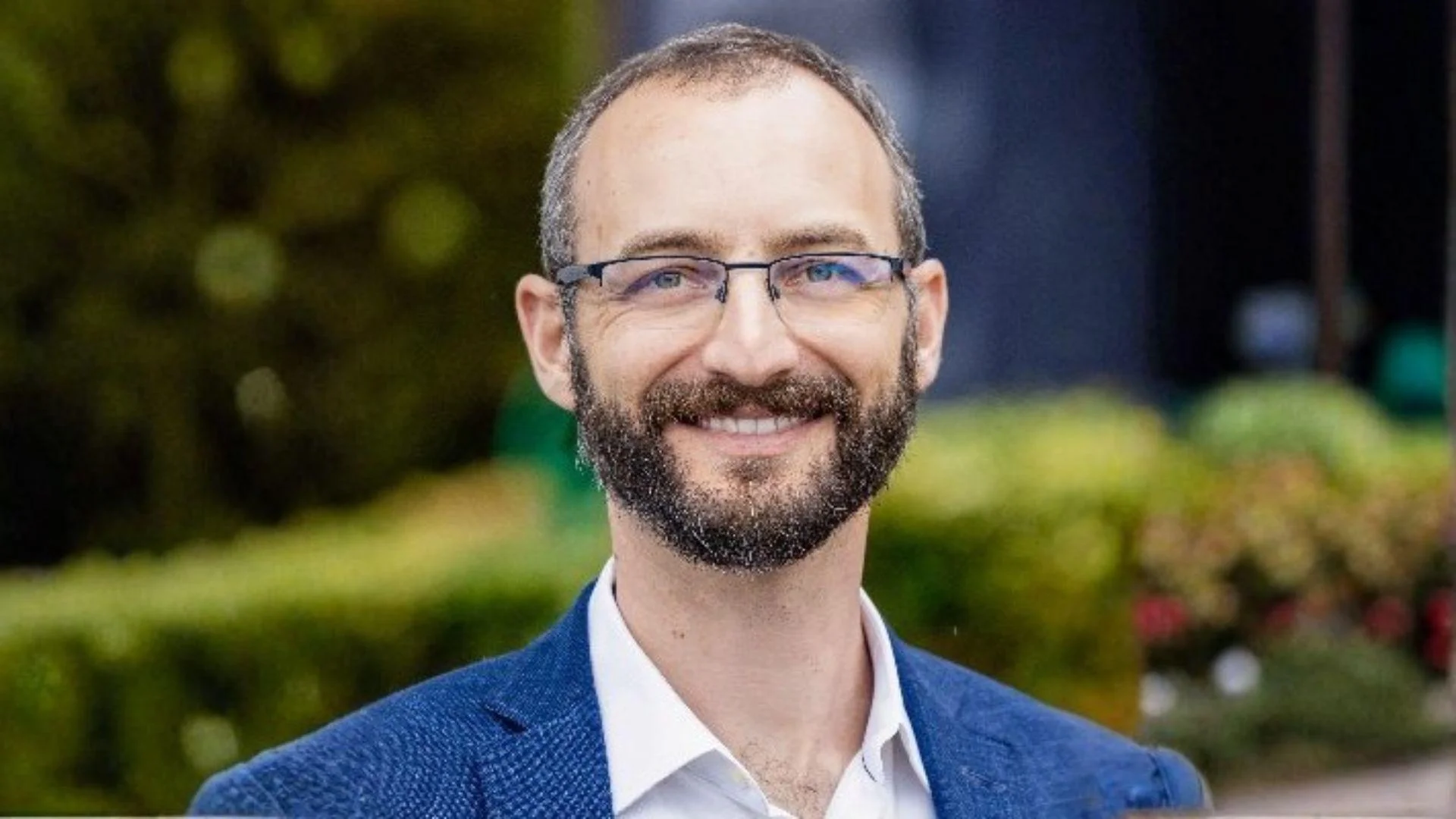
Anthony M. DiGiorgio, DO, MHA, an Assistant Professor of Neurological Surgery at the University of California, San Francisco (UCSF), has commented on the 340B drug pricing program. He said that the program allows hospitals to purchase drugs at discounted rates while billing payers at full prices, without any obligation to pass these savings onto patients.
"Nothing in the 340B law says hospitals must charge patients or insurers what they paid for the drug," said DiGiorgio. "Hospitals are allowed to bill full rates and keep the difference. That difference is allowed by statute. There's also no rule requiring 340B drugs to be given free or at cost to low income patients. That's a common myth. It gets worse. When hospitals use 340B drugs for Medicaid patients, states have to give up a separate Medicaid drug rebate they're normally entitled to. That can actually increase Medicaid costs, which is why some states have pulled 340B drugs out of Medicaid entirely."
The 340B program permits eligible healthcare providers to acquire outpatient medications at significant discounts and charge payers nondiscounted rates. The legislation does not require these savings to be transferred to patients. Many organizations utilize the resulting margin to support their operations, yet there is no requirement for them to offer 340B drugs free or at reduced costs to low-income patients. This situation has sparked debate over whether the financial benefits are reaching patients directly.
According to findings from the Federal Trade Commission (FTC), practices by Pharmacy Benefit Managers (PBMs) have been identified as contributing factors that increase costs. The three largest PBMs and their affiliates reportedly marked up certain drugs by over 1,000%, generating $7.3 billion from markups and an additional $1.4 billion through spread pricing between 2017 and 2022. These opaque profit margins add another layer of complexity atop 340B arbitrage opportunities, raising concerns that intermediaries benefit financially while patients and plan sponsors face higher expenses.
The Health Resources and Services Administration (HRSA) reported that covered entities spent $81.4 billion on outpatient drugs through the 340B program in 2024, illustrating the program's substantial growth. HRSA provides these figures to present a comprehensive view of the expansion of 340B by entity type. The program's rapid growth has made it the second-largest federal drug initiative, prompting worries about whether oversight is keeping pace.
DiGiorgio is a neurosurgeon and health policy researcher who serves as an Assistant Professor of Neurological Surgery at UCSF. His professional profile emphasizes his clinical practice, academic roles, and involvement in policy discussions concerning programs like 340B. He has contributed commentary and provided testimony on payment reform and access issues within U.S. healthcare.



 Alerts Sign-up