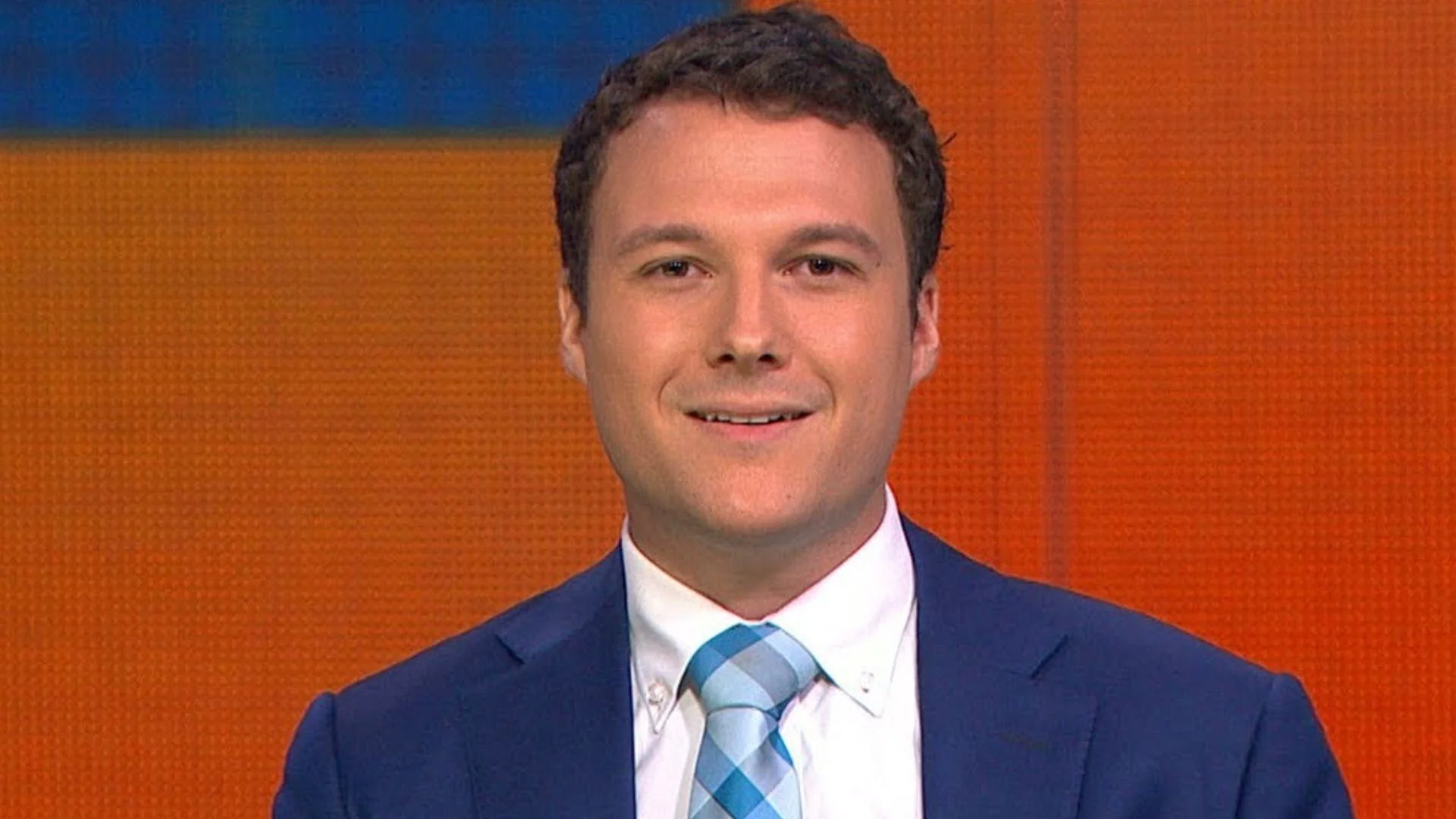
Ross Marchand, executive director of the Taxpayers Protection Alliance (TPA), said on the Health Policy Podcast that the 340B drug discount program is benefiting hospitals and insurers instead of taxpayers it was designed to help.
"Because they're not passing along these savings to patients, and they're pocketing most of this money, taxpayers are on the line," said Marchand. "A lot of these hospital systems, in fact, virtually all of them, are funded by taxpayers. So whenever you have a system where these rich healthcare entities, these hospitals, these insurers are getting richer, what they're doing is they're turning around and then pocketing taxpayer money. the poor, ostensibly the people that 340B is supposed to help, they're the ones who are being left out in the cold."
Congress initiated the 340B Drug Pricing Program in 1992, mandating that pharmaceutical companies participating in Medicaid provide discounted outpatient medications to eligible "covered entities." The Health Resources and Services Administration (HRSA) administers this program to help extend limited resources. According to the Government Accountability Office (GAO), there are ongoing risks such as duplicate discounts and oversight gaps involving contract pharmacies, prompting calls for improved supervision.
The GAO notes that the statute governing 340B does not specify how covered entities should utilize this revenue or require that drug discounts be passed on to patients. As of January 2023, over 2,600 hospitals were involved in the program. This absence of a pass-through requirement raises concerns that institutions retain savings while patients receive minimal benefit.
According to HRSA, covered entities purchased $81.4 billion in outpatient drugs under 340B in calendar year 2024. These purchases are largely funded through payers like Medicare and Medicaid, meaning taxpayers ultimately shoulder much of the cost when discounts are not shared at the point of sale. This situation has intensified demands for transparency regarding how savings are utilized.
The Congressional Budget Office (CBO) reported in 2025 that purchases of drugs priced under 340B increased from $6.6 billion in 2010 to approximately $44 billion by 2021, significantly outpacing overall drug-spending growth. The CBO emphasized budgetary implications due to the program's expansion and expressed concerns about current rules allowing arbitrage, with discounts being captured by institutions and intermediaries rather than consistently reducing patients' out-of-pocket expenses.
The Taxpayer Protection Alliance identifies itself as a nonpartisan nonprofit organization focused on educating the public about excessive taxation and spending while promoting government transparency. Marchand leads the group's health policy advocacy and taxpayer-protection initiatives.




 Alerts Sign-up