

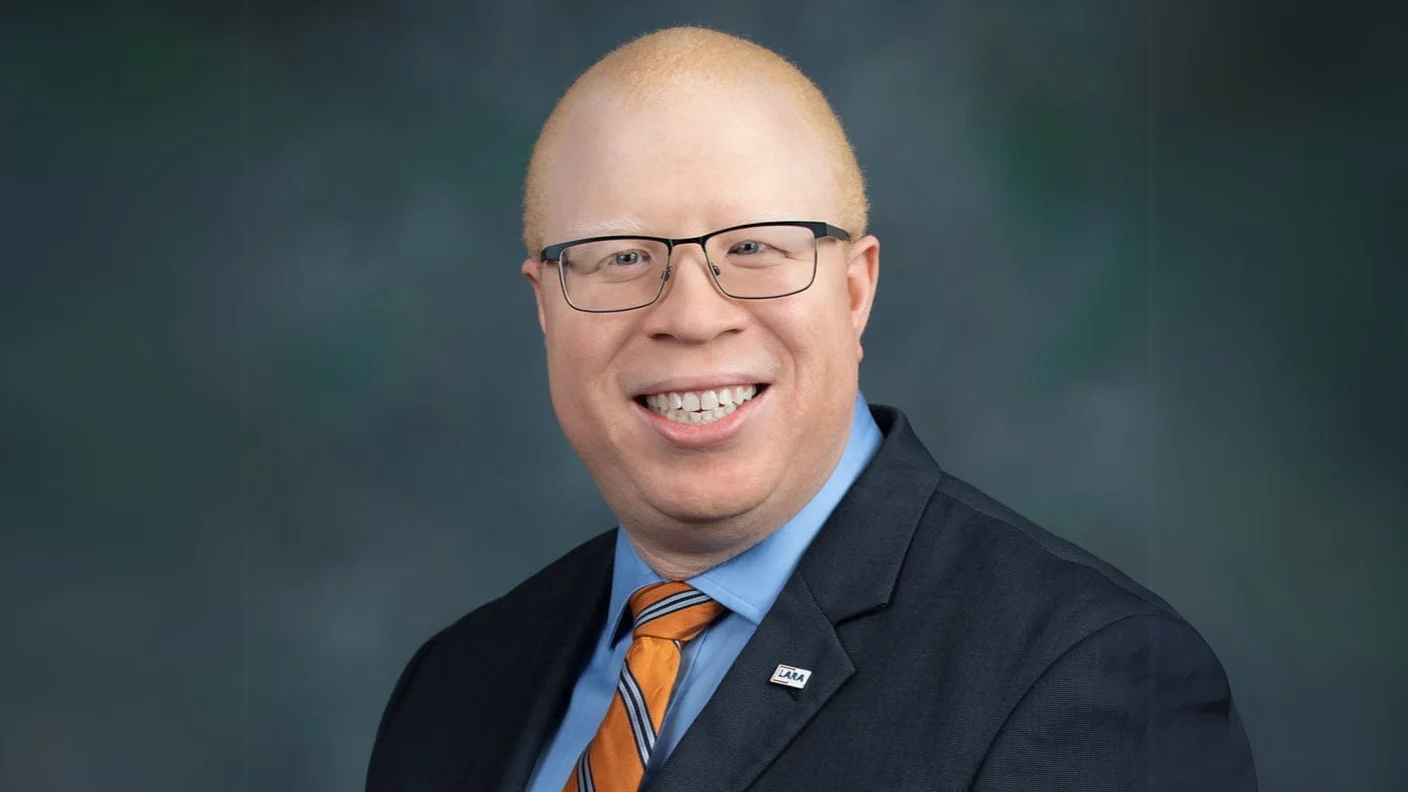
Dae Y. Lee, a pharmacist and attorney at Buchanan Ingersoll & Rooney, said a proposed Department of Labor (DOL) rule could require pharmacy benefit managers (PBMs) to disclose how they generate revenue, including practices such as spread pricing, rebates and retroactive fees, and urged pharmacies and plan sponsors to submit comments detailing their experiences.
"The U.S. Department of Labor proposed a rule that could finally force PBMs to disclose how they actually make money including rebates, spread pricing, and hidden fees," said Lee. "If pharmacies, plan sponsors, and industry stakeholders don't submit comments, PBMs and their lobbying group will gladly do it for us. Public comments matter Agencies read them Courts rely on them. If you've dealt with Spread pricing Clawbacks and retroactive fees Opaque reimbursement methodologies “Take it or leave it” PBM contracts Now is the time to put it on the record."
The topic is significant as it addresses concerns about transparency in the PBM industry and its impact on pharmacies and healthcare costs. Dae Lee posted on X about the need for pharmacy industry action on PBM reform, outlining that the Department of Labor's proposed rule mandates disclosure of rebates, spread pricing, and hidden fees. He listed specific PBM issues including clawbacks, opaque methodologies, and coercive contracts while providing instructions for submitting comments by March 31, 2026.
Recent state-level actions have highlighted some of these concerns. In Oklahoma, Attorney General Gentner Drummond issued a cease-and-desist order to OptumRx in 2025 for attempting unlawful retroactive clawbacks after applying an incorrect Maximum Allowable Cost list for months. This order prevented unilateral claim reversals without pharmacy review and addressed financial burdens imposed on pharmacies long after dispensing medications.
Wider investigations have revealed broader impacts. A state audit in Ohio found that PBMs overcharged the Medicaid program by $225 million in 2018 through spread pricing practices. This led to settlements with Centene totaling $88.3 million in Ohio and nearly $1 billion across 18 states for similar schemes. The House Committee on Oversight reported that such opaque pricing increases costs for payers and contributes to pharmacy closures in rural areas.
According to reports from the National Community Pharmacists Association, PBMs use spread pricing nationwide by reimbursing pharmacies less than what payers are charged while pocketing the difference as profit. These practices have driven up drug costs and forced independent pharmacies to operate at losses.






 Alerts Sign-up