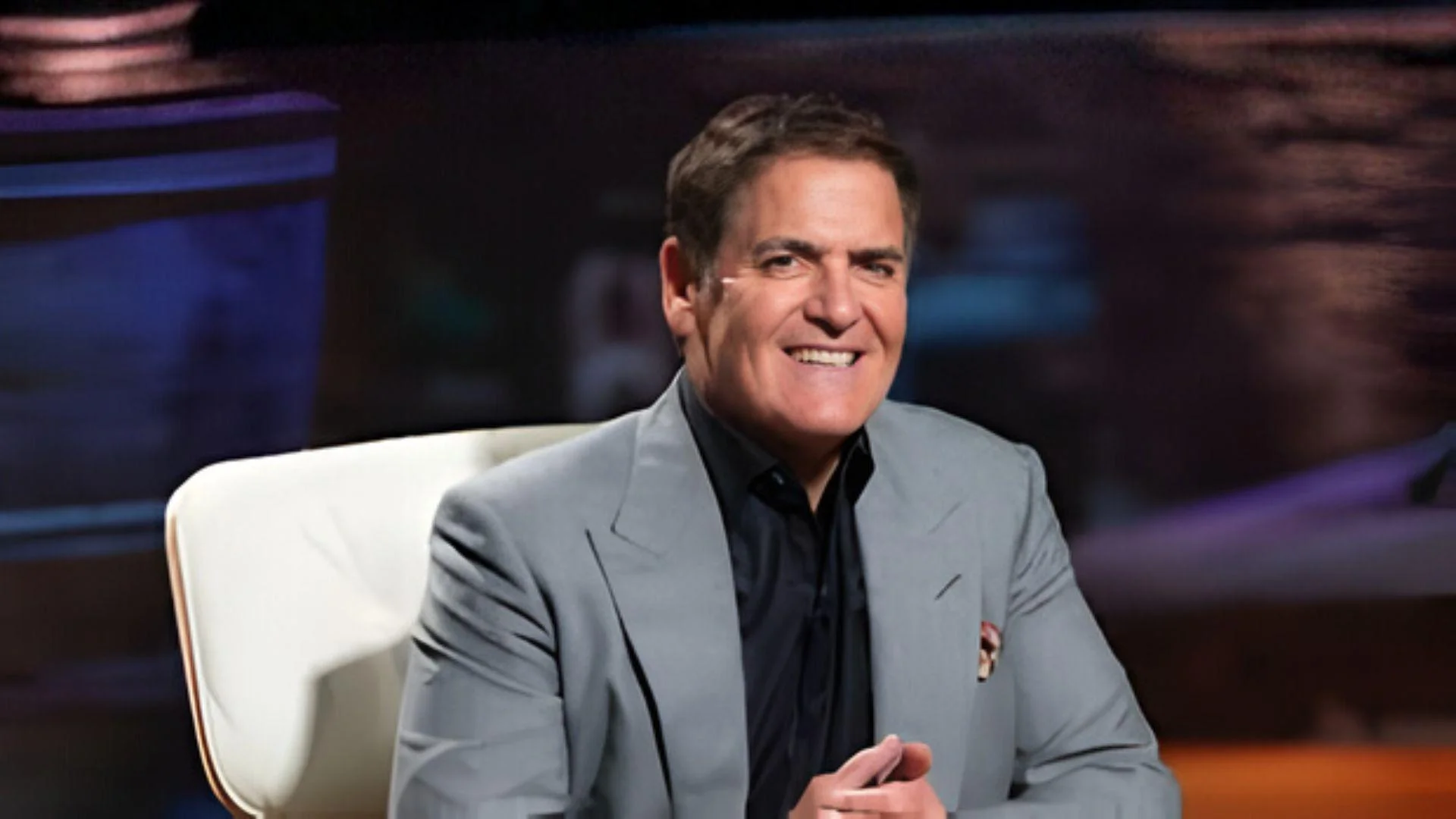
On Feb. 16, 2026, Mark Cuban, founder of Mark Cuban Cost Plus Drug Company, said that recent scrutiny and new laws targeting pharmacy benefit managers (PBMs) will not significantly change pricing power in the prescription drug market. According to Cuban, the three largest PBMs continue to control brand-drug rebates and therefore maintain influence over brand pricing.
Cuban said, "Only ONE of the big PBMs shares part of their rebated discounts with those smaller PBMs. Just one. Which means that they have complete control of brand pricing for pass through PBMs. All of these PBMs oversight rules changes DO NOTHING to change that. Which means, the pass through PBMs, that we very much need to compete and win business from the big 3 PBMs, will continue to be at a brand pricing disadvantage, because there is ZERO opportunity to compete on brand pricing. Which is why the big 3 aren’t freaking out. In fact, it’s an easy argument to say that the PBMs got stronger because everyone thinks they can’t cheat any more," according to his statement on X.
The Federal Trade Commission’s interim report finds that heavy consolidation and vertical integration allow a few large PBMs to profit at patients’ expense by inflating costs and squeezing independent pharmacies. The agency highlights practices such as steering patients toward affiliated pharmacies and using opaque fees that can increase patient costs—evidence suggesting current oversight has not realigned incentives for consumers.
MarketWatch reports that CVS Caremark, Express Scripts, and Optum Rx handled nearly 80% of U.S. prescriptions in 2023. This concentration gives them significant leverage over benefit design and rebate negotiations for branded drugs, limiting competitors’ ability to offer lower net prices even as transparency measures are introduced.
A USC Schaeffer Center analysis links higher manufacturer rebates with increased list prices; since many patients pay coinsurance based on list rather than net prices, their out-of-pocket expenses rise even when plans secure larger rebates. The paper concludes rebate-driven incentives may misalign savings and harm patients at the pharmacy counter.
According to Cost Plus Drugs, Cuban co-founded the company to bypass opaque middlemen by publishing transparent prices based on acquisition cost plus a fixed markup and service fee—a model aimed at lowering costs for generics and some specialty products. This approach aligns with Cuban’s view that structural rebate control—not just lack of oversight—drives brand-drug pricing power.




 Alerts Sign-up