
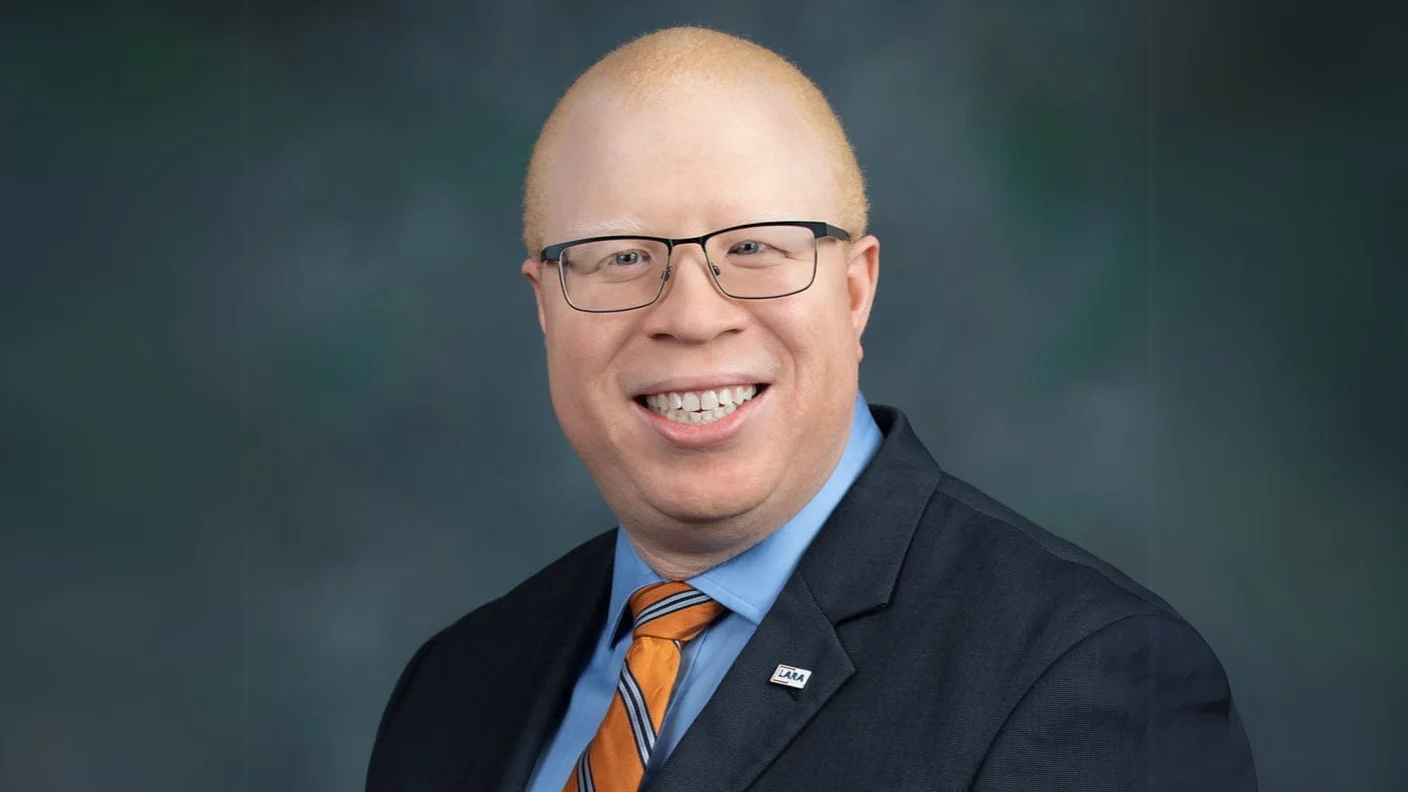
Ryan Long of Paragon Health Institute said June 20 that federal drug pricing programs, including the 340B program, can allocate resources in ways that disadvantage poorer hospitals while benefiting wealthier ones.
"I think that’s the biggest myth of the 340B program is that the entities that get the lion’s share of the benefit are truly indigent safety net hospitals," Long said during an interview on The Doctors Lounge podcast. "Poor hospitals get the least from the program and richer hospitals get the most."
Long said the current structure creates revenue incentives tied to payer mix and drug arbitrage. He said policymakers should look for approaches that better achieve the intended public policy outcome.
Spending on 340B drugs by participating facilities rose from $6.6 billion in 2010 to $43.9 billion in 2021, with an average annual growth rate of 19 percent, a Congressional Budget Office analysis found. The analysis also said contract pharmacy arrangements expanded from roughly 2,000 in 2010 to nearly 130,000 in 2021.
Drug Channels Institute data for 2025 showed that three pharmacy benefit managers process about 80 percent of U.S. prescription claims, providing broader context for Long’s discussion of drug pricing and pharmacy benefit managers.
Long has more than 25 years of experience in health policy and legislative work on Capitol Hill, according to his USC Schaeffer Center profile. He is currently a senior research fellow at Paragon Health Institute.







 Alerts Sign-up