

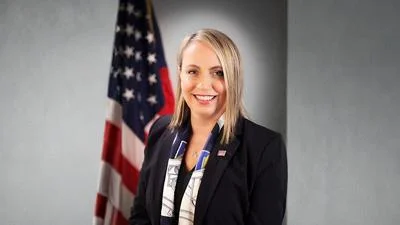
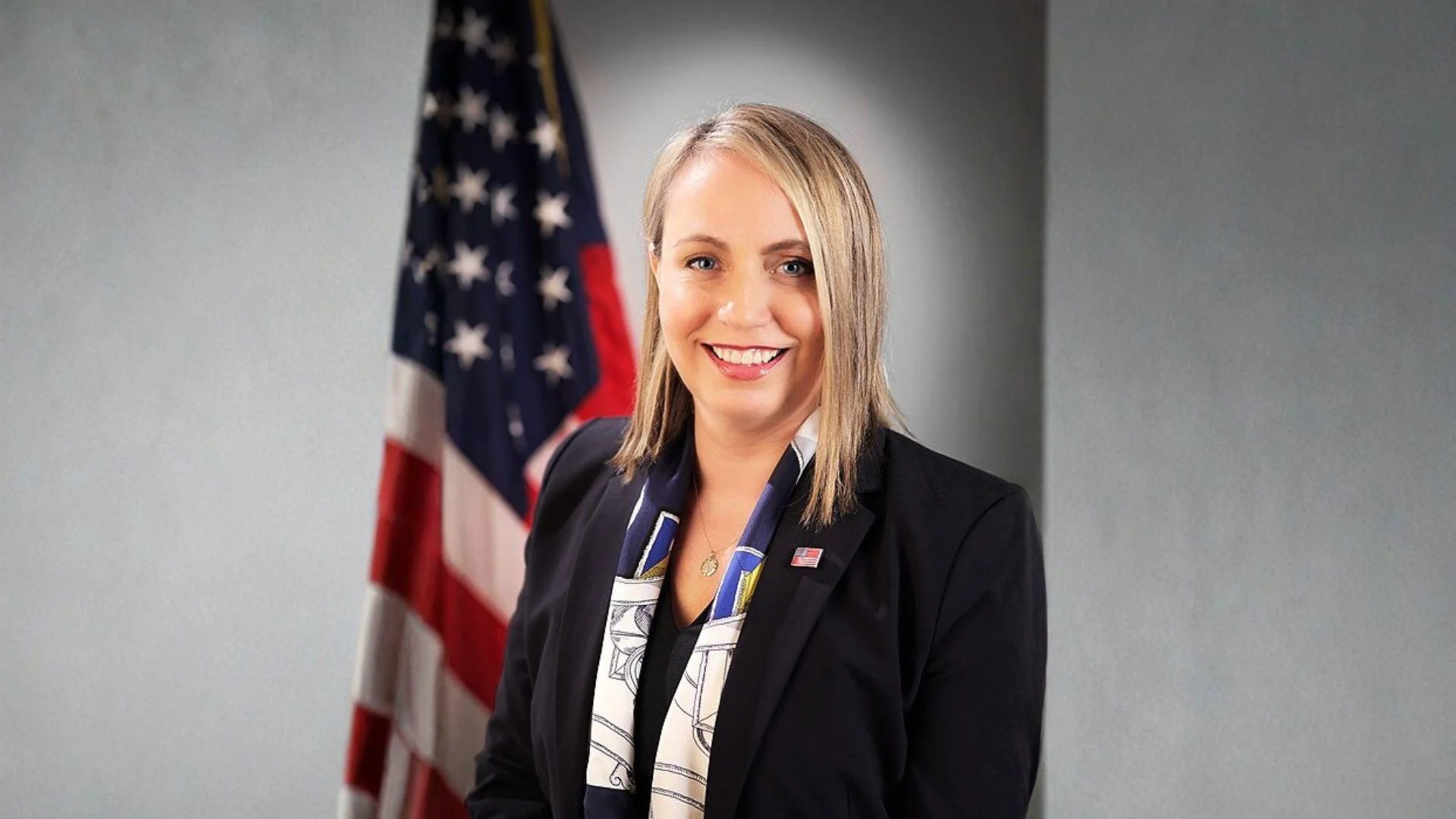
Molly Jenkins, Senior Director of Public Affairs at the Pharmaceutical Research & Manufacturers Of America (PhRMA), said on Feb. 23, 2026, that growing scrutiny of the federal 340B drug pricing program reflects concerns about its incentives and lack of transparency, which she said can drive higher costs across the healthcare system while patients do not reliably see savings.
The topic has gained attention as lawmakers and industry groups question whether the program is fulfilling its original intent to help low-income and uninsured patients access affordable medicines.
According to Jenkins in a statement published by PhRMA, "Congressional scrutiny of the 340B Program is intensifying, with Senate HELP Committee Chair Bill Cassidy, M.D. (R-La.) expanding his investigation into 340B to include Apexus. Apexus has been under public scrutiny for making millions off the 340B program and patients it is meant to serve. The 340B program was originally intended to help fewer than 50 safety net hospitals provide low-income and uninsured patients access to affordable medicines. Today, it accounts for $81 billion in drug spending and with little oversight or accountability, it’s increasingly incentivized higher-cost care and more prescribing, without any evidence that patients benefit."
On Feb. 2, Senate Health, Education, Labor and Pensions Committee Chair Bill Cassidy said a "serious lack of transparency" in the 340B drug program prevents discounts from translating into "better access or lower costs for patients." He requested information from Apexus regarding how it generates revenue and structures its business practices according to a committee press release.
A nonpartisan Congressional Budget Office report found that purchases through the Prime Vendor Program grew from $6.6 billion in 2010 to $43.9 billion in 2021, covering roughly 90% of participating facilities. The report also noted an increase in contract pharmacy arrangements from about 2,000 to nearly 130,000 during this period as reported by Healthcare Dive.
A report from the National Alliance of Healthcare Purchaser Coalitions found large hospitals participating in the program charge on average 35% more for outpatient services than non-340B hospitals. This pricing gap contributes an estimated $36 billion annually in excess costs for employers based on commercial claims data from over 25 million workers and families.
Additionally, a report by 340B Health found that in 2023, seventy-seven percent of hospitals in the program provided less charity care than the value of their discounts received through the program. Nearly half spent less than one dollar on charity care for every dollar saved through discounts.
Jenkins leads communications on issues related to hospital markups within PhRMA's public affairs team. Her background includes advocacy work at Purple Strategies as well as communications roles on Capitol Hill according to her author bio.




 Alerts Sign-up