
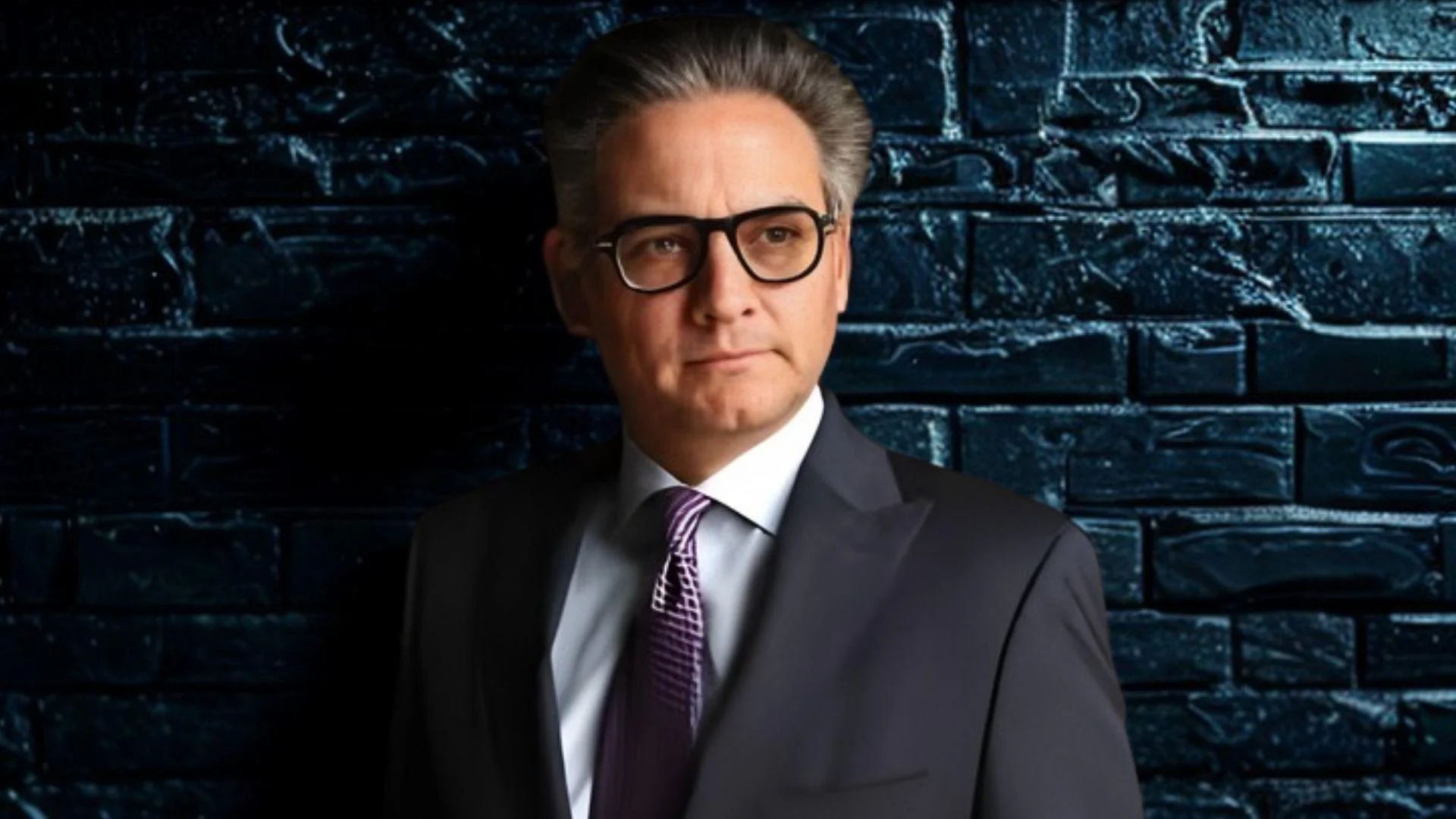
Dutch Rojas, Founder of Bliksem Health, said on X that the U.S. prescription-drug “supply chain” is structured so a handful of pharmacy benefit managers (PBMs) control volume and distribution, while physicians who prescribe the drug capture none of the margin.
The topic has drawn attention as lawmakers and regulators scrutinize how PBMs affect drug pricing and access. Rojas’ comments highlight concerns about market concentration in the pharmaceutical supply chain and its impact on competition and costs for patients.
"Three PBMs control 80% of prescription volume. Three wholesalers control 90% of distribution. The physician who actually prescribed the drug controls 0% of the margin. In any other industry, we’d call this a cartel. In healthcare, we call it the supply chain. Same thing. Better branding," Rojas said according to his post on X.
Market concentration is measurable: Drug Channels reports that for 2024, nearly 80% of all "equivalent prescription claims" were processed by three PBMs—CVS Caremark, Express Scripts, and Optum Rx—meaning most insured prescriptions flow through three corporate gatekeepers that set key contracting and pharmacy network terms.
The Federal Trade Commission has warned that PBM consolidation plus vertical integration can distort competition: in its PBM inquiry, the agency found the "Big 3" PBMs marked up many specialty generic drugs at their affiliated pharmacies by hundreds to thousands of percent, generating billions above estimated acquisition cost.
PBMs act as intermediaries between drug manufacturers, insurers, and pharmacies, negotiating drug prices and managing formularies for employer and government health plans. According to KFF, lawmakers from both parties have increased scrutiny of PBM practices in recent years, holding hearings and proposing legislation focused on transparency, pricing structures, and market competition within the pharmaceutical supply chain.
KFF also notes PBM rebate arrangements can encourage higher list prices, which can increase out-of-pocket costs for people who are uninsured or pay coinsurance tied to list price.
Rojas’ perspective comes from operating inside healthcare purchasing and delivery: Nomi Health lists Dutch Rojas as its Senior Vice President of Direct Healthcare, describing him as an entrepreneur with experience on the "supply side" of healthcare and pricing models focused on direct contracting and all-inclusive prices.




 Alerts Sign-up