

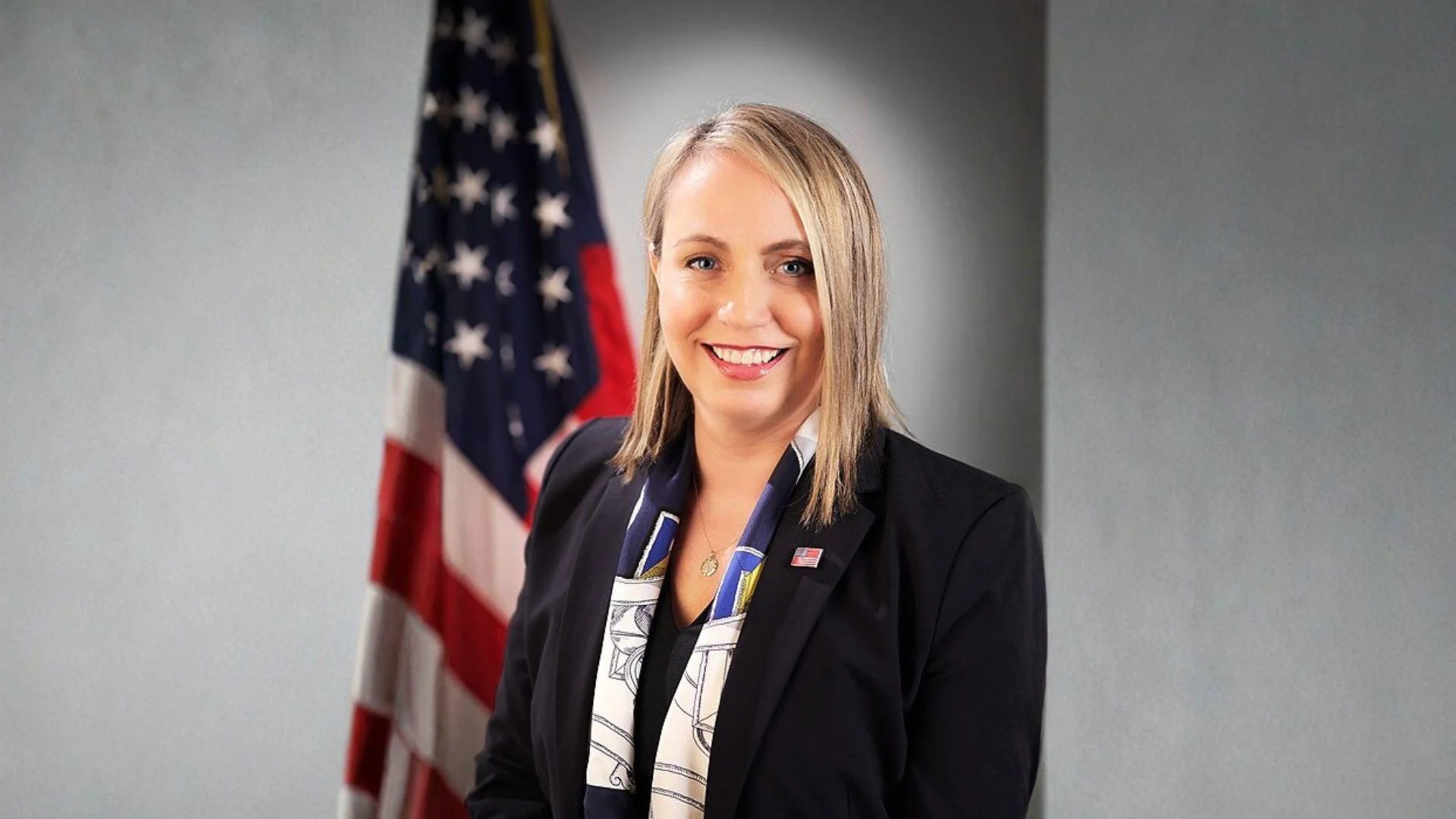
Garrina Ross of the Tigerlily Foundation said on March 20 that the 340B drug-pricing program should be reformed so discounts intended for vulnerable patients actually lower their costs, instead of being absorbed by hospitals, pharmacy benefit managers, and contract pharmacy arrangements.
The issue is significant because cancer patients often face high out-of-pocket costs for treatment.
"I’ve seen the brutal financial reality of cancer up close. I’ve held the hand of a woman skipping a treatment she couldn’t afford and lain awake at night worried about paying for my own. This struggle is why programs like the federal 340B Drug Pricing Program are so vital. 340B was designed to help safety-net providers stretch scarce resources by purchasing outpatient drugs at significant discounts. But somewhere along the way, the system broke. The savings are too often getting lost in a complex web of entities, and patients are being left behind. The burden falls directly on patients. The issue is a system that allows profiteering to flourish," according to Ross via Bridge Michigan.
Congressional Budget Office data show 340B drug purchases grew from $6.6 billion in 2010 to $43.9 billion in 2021. Cancer drugs accounted for 41% of program spending, with total spending on those drugs reaching $18.1 billion, highlighting the scale of funds moving through the program with limited patient-level transparency.
A review by the Community Oncology Alliance found some hospitals participating in the 340B program marked up discounted cancer drugs by as much as 11 times their acquisition cost. The analysis, which examined 49 acute-care hospitals, raised questions about how program savings are used, according to Axios.
Bloomberg highlighted the case of colon cancer patient Ida Martin, whose first oxaliplatin infusion at Rush University Medical Center cost her plan $13,560. Three weeks later, the same drug at another clinic in the same health system cost $134. Unite Here Health also reported a California case where oxaliplatin infusions totaled nearly $90,000—over 700 times the Medicare rate.
An analysis by the American Cancer Society Cancer Action Network estimated that hospitals generated about $21 billion in 340B-related margins across Medicare Parts B and D, with roughly $8 billion — or 37% — tied to cancer drugs. The report said those margins can incentivize hospitals to expand oncology services through acquisitions or growth strategies, fueling consolidation that independent practices often cannot compete with and potentially moving benefits further away from patients.
Ross is a cancer survivor and an Angel advocate for the Tigerlily Foundation. Tigerlily says its ANGEL program is a grassroots advocacy initiative designed to reduce health inequities in women with breast cancer. Volunteers complete five to ten hours of training over five weeks before supporting awareness and advocacy efforts for underserved women.




 Alerts Sign-up