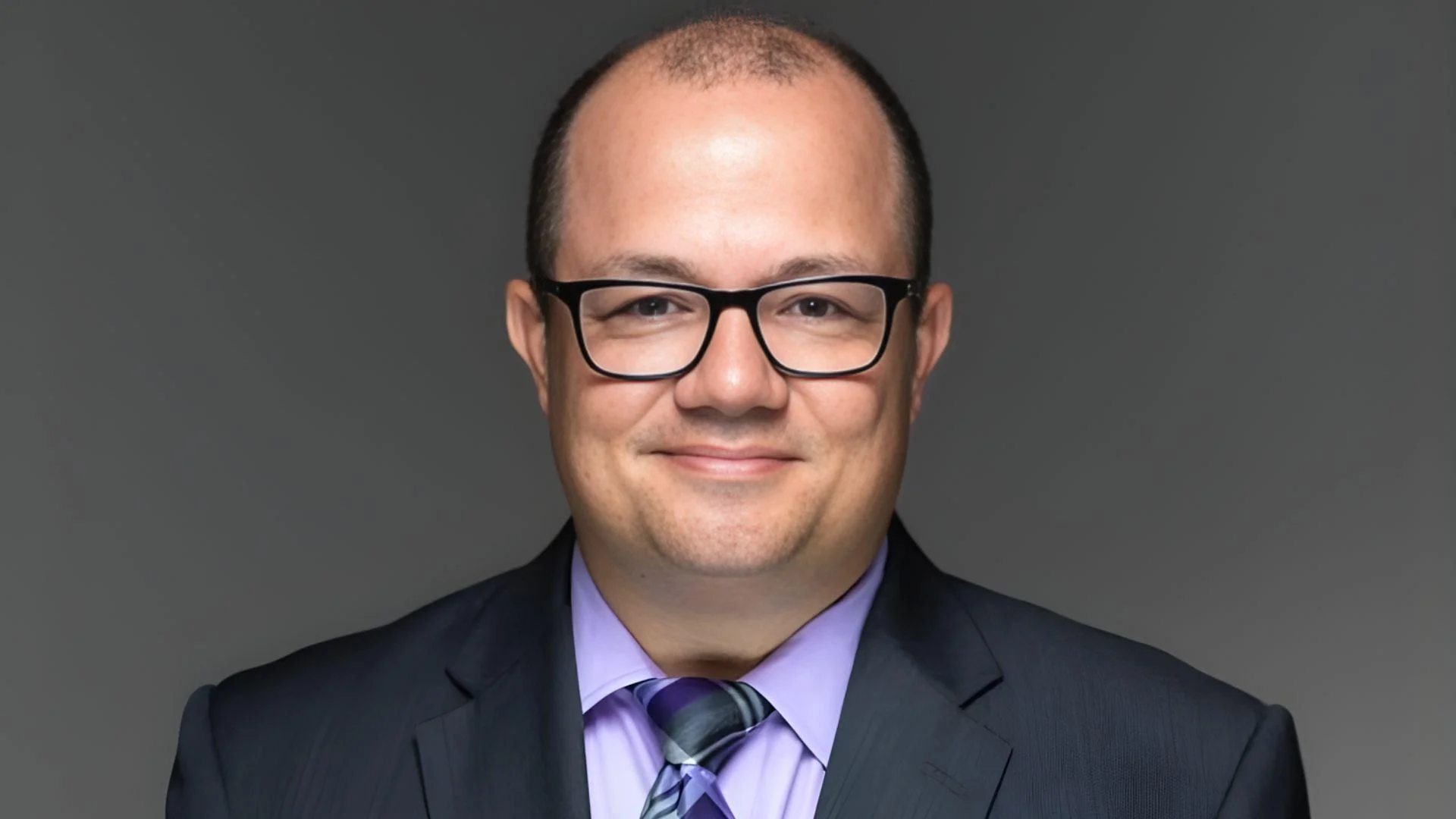
Shawn Gremminger, CEO of the National Alliance of Healthcare Purchaser Coalitions, said on March 17 that New York should support reforms to the 340B Drug Pricing Program, arguing it has expanded beyond its original safety-net purpose and is increasing costs for employers, taxpayers, and public employee health plans without sufficient accountability.
“The 340B Drug Pricing Program is a clear example of a well-intended policy that has been co-opted by corporate interests, namely hospital systems and for-profit middlemen that use the program to juice revenue,” Gremminger said in remarks reported by PoliticsNY. “Despite billions of dollars poured into this program, there is no requirement that hospitals use the revenue to help uninsured patients or low-income communities. The core problem with 340B is that it allows eligible hospitals to buy drugs at a deep discount and sell them at significant mark-ups with no accountability for how those profits are used. Hospitals in the 340B program charge commercial plans an average of 7.6% more for all services than their non-340B counterparts. This translates to a national price tag of $36 billion in excess costs each year.”
The debate over the 340B program has intensified due to its impact on healthcare spending and employer-sponsored insurance. Created to provide discounted outpatient drugs to eligible hospitals, clinics, and federal grantees, the program has expanded significantly over time.
According to the Government Accountability Office (GAO), from 2013 to 2023, the number of covered entity sites more than doubled. Under the program’s structure, covered entities may retain the difference when insurer reimbursement exceeds the discounted purchase price, a feature that has drawn increased scrutiny over oversight and program design, according to the Government Accountability Office.
The scale of the program has also become a central point in reform discussions. Covered entities reportedly purchased $81.4 billion in outpatient drugs through 340B in 2024, with disproportionate share hospitals accounting for more than $64.1 billion of that total, according to the Health Resources and Services Administration. The concentration has fueled debate over whether program activity remains aligned with its original safety-net intent.
A separate Office of Inspector General analysis found that Medicare Part B beneficiaries paid $3.5 billion for 340B-purchased drugs in 2013, with payments averaging 58% above applicable ceiling prices, allowing covered entities to retain roughly $1.3 billion in revenue without restrictions on how it was used, further fueling scrutiny of how savings generated through the program are allocated.
The National Alliance of Healthcare Purchaser Coalitions represents employer and purchaser members across the public and private sectors, including nonprofits and labor unions, giving it a significant stake in debates over pharmacy spending and benefit costs. Its network covers more than 90 million Americans, represents more than half of the employer-sponsored insurance market, and is tied to more than $850 billion in annual healthcare spending, making it one of the nation’s largest purchaser groups.






 Alerts Sign-up