

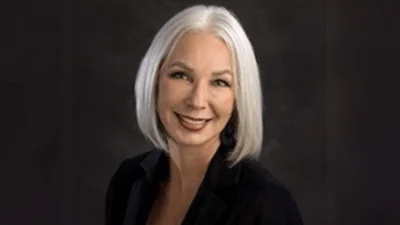
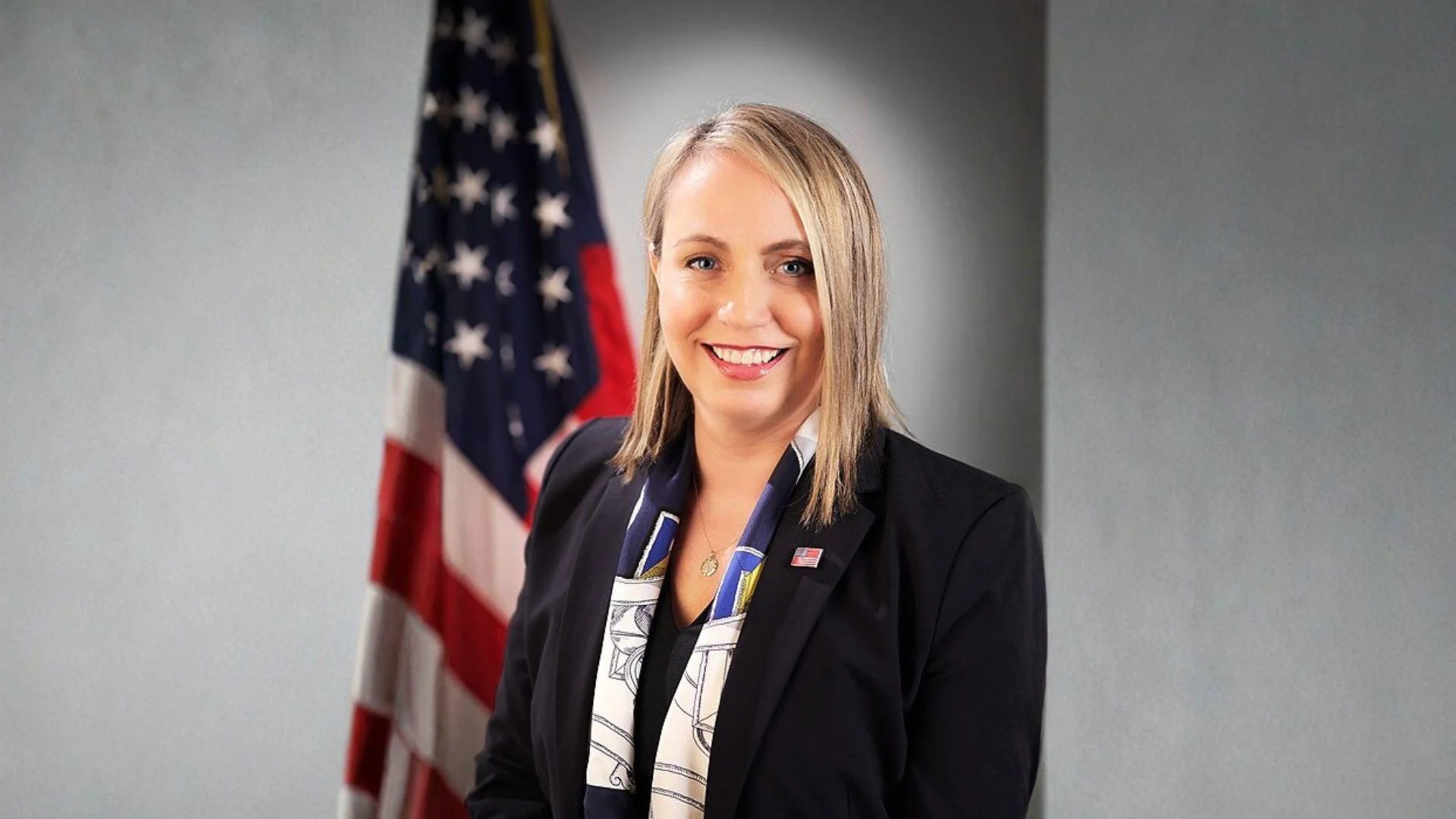
Sally Pipes, president and CEO of the Pacific Research Institute, said on May 8 that the Trump administration’s proposed 340B rebate pilot is a step toward greater transparency and accountability in a program she says has drifted from its original safety-net purpose. She said the change could help reduce waste, fraud, and abuse while lowering health care costs.
“The Trump administration is ramping up its fight against waste, fraud, and abuse in healthcare. One of its latest targets is the 340B Drug Pricing Program. In theory, providers are supposed to use those savings to expand care and improve access for the uninsured and vulnerable. But there is little evidence that's happening. The program lacks basic oversight. There is no standardized system to track how savings are used. What was once a narrowly targeted safety-net program has become a major revenue stream for large hospital systems,” Pipes said in an interview with Newsmax.
The 340B Drug Pricing Program requires drug manufacturers to sell outpatient drugs at discounted prices to eligible safety-net hospitals and clinics. It was designed to help providers serving low-income and uninsured patients stretch limited resources, but it does not require discounts to be passed directly to patients or savings to be used for specific services. Some policy research has raised concerns about limited transparency, rapid program growth, contract pharmacy expansion, and whether savings consistently translate into measurable patient benefit, according to JAMA Health Forum.
Federal oversight of the program has also faced scrutiny.
The U.S. Government Accountability Office has found that audits do not fully test whether covered entities prevent duplicate discounts, that audit closure processes may not ensure all noncompliance is corrected, and that oversight does not fully ensure only eligible hospitals participate. These gaps affect requirements tied to diversion, Medicaid rebates, and program eligibility.
At an October 2025 Senate Health, Education, Labor & Pensions Committee hearing, Chairman Bill Cassidy said the 340B program had "ballooned with limited oversight," raising questions about how revenue is used and whether it directly benefits low-income patients. Cassidy said program growth is tied to higher health care costs and pointed to concerns involving contract pharmacies, hospital consolidation, duplicate discounts, and weak transparency requirements.
Pacific Research Institute lists Sally C. Pipes as President and CEO and Thomas W. Smith Fellow in Health Care Policy. The organization’s people page also identifies PRI board, staff, and scholars working across health care, economics, education, environment, technology, and California policy, with Pipes serving as a senior health policy voice.


 Alerts Sign-up