
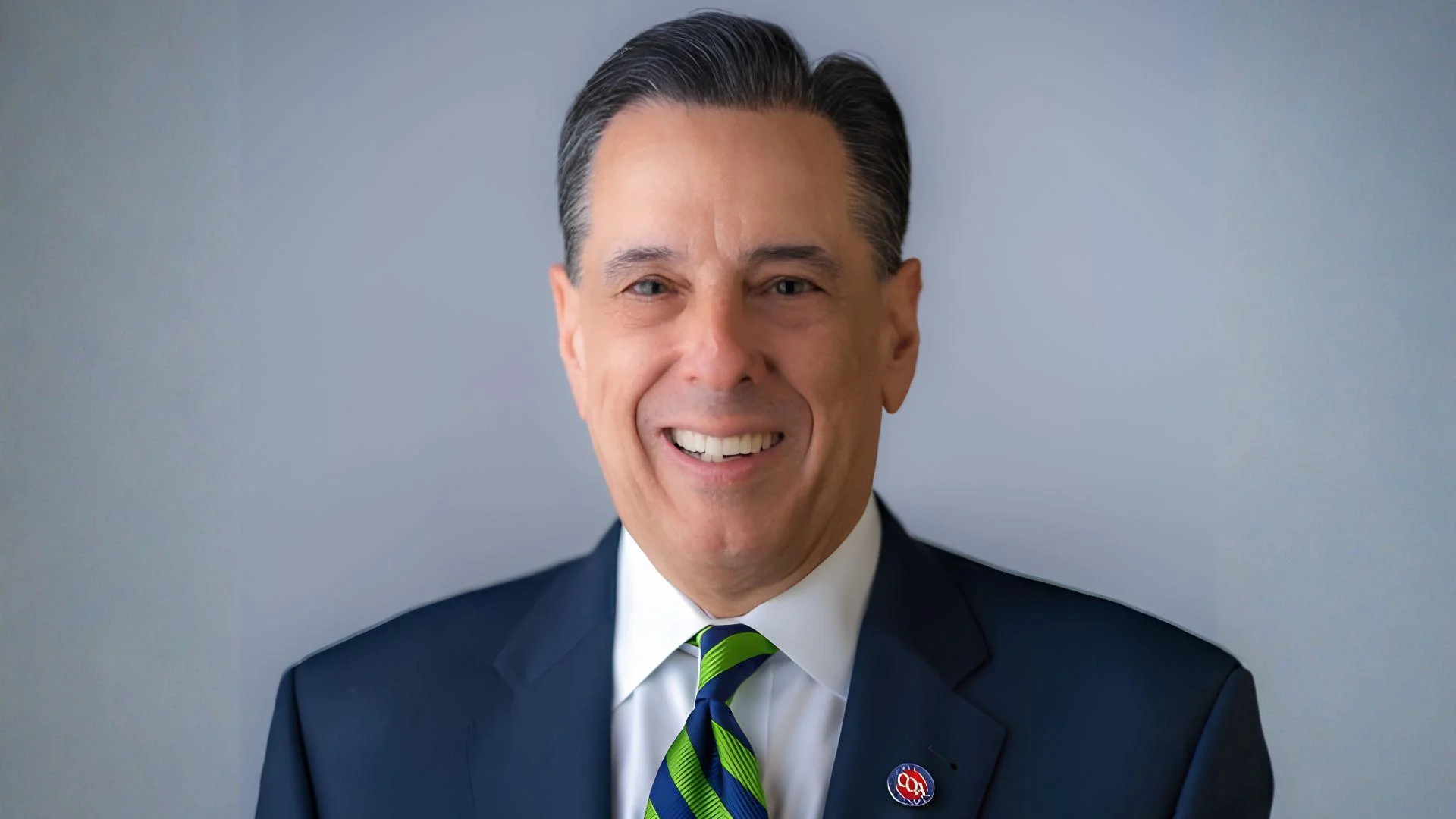
Ted Okon, executive director at the Community Oncology Alliance, said expanding 340B eligibility to community practices would not address what he described as underlying problems in the federal 340B drug pricing program.
“What began in 1992 as a modest safety-net program intended to help vulnerable patients has evolved into a multibillion-dollar institutional revenue stream that too often benefits hospitals and health systems more than patients. Expanding participation in a flawed program isn’t reform. It simply broadens access to the same distorted financial incentives that have fueled consolidation, higher costs, and migration of cancer care into more expensive hospital settings. Discounts should follow patients in need—not institutions,” Okon wrote in an opinion piece in The Wall Street Journal.
The 340B program was created in 1992 to help providers serving low-income and uninsured patients stretch limited resources. However, it does not require that discounts be passed directly to patients or that savings be used for specific services, according to JAMA Health Forum.
Federal oversight gaps remain central to compliance concerns in the 340B program.
According to the U.S. Government Accountability Office, program audits do not fully test whether covered entities prevent duplicate discounts, audit closure processes do not ensure all noncompliance is corrected, and oversight does not guarantee that only eligible hospitals participate.
At an October 2025 Senate Health, Education, Labor & Pensions Committee hearing, Chairman Bill Cassidy said the 340B program had "ballooned with limited oversight," raising questions about how revenue is used and whether it directly benefits low-income patients. Cassidy also cited concerns involving contract pharmacies, hospital consolidation, duplicate discounts, and weak transparency requirements.
Anthony DiGiorgio, an assistant professor of neurological surgery at UCSF, said 340B can raise drug costs because discounts are not reflected in patient cost-sharing. In comments published to the San Fran Sun, he said there is evidence 340B “increases the cost of medications” and that discounts are “not being passed on to the patient,” leaving co-pays tied to list or reimbursement prices rather than the lower 340B acquisition price.
The Community Oncology Alliance is a nonprofit 501(c)(6) organization controlled by community oncologists, with a board made up of representatives from community oncology. Its leadership includes Ted Okon as Executive Director in Washington, D.C., and the organization focuses on patients and providers in the community cancer care setting.




 Alerts Sign-up