

Ryan Long, senior research fellow at the Paragon Health Institute, said on May 20 that revenue from the federal 340B Drug Pricing Program is flowing primarily to larger, wealthier hospital systems rather than financially struggling hospitals. He said the program should be reformed by eliminating what he described as “340B spread” gaming.
“The primary recipients of 340B revenue are not struggling hospitals. It is wealthier larger hospital systems,” Long said in a statement on X. “Must reform the program but ending the 340B spread gaming.”
His comments come as the 340B Drug Pricing Program has drawn increased attention as policymakers and analysts question whether its benefits are reaching the intended providers. The program allows eligible health care entities to purchase outpatient drugs at reduced prices from manufacturers participating in Medicaid.
Eligible covered entities include HRSA-supported health centers, Ryan White clinics, state AIDS Drug Assistance Programs, Medicare and Medicaid Disproportionate Share Hospitals, children’s hospitals and other qualifying providers, according to the Health Resources and Services Administration.
Drug purchases under the program totaled $66.3 billion in 2023. Covered entities may generate revenue when reimbursement levels exceed the discounted acquisition cost of outpatient drugs, according to a USC Schaeffer Center report. In 2021, hospital-based facilities accounted for 61% of participating entities and 87% of purchases through the Prime Vendor Program. That year, 2,530 hospitals participated—slightly less than half of all U.S. community hospitals—and about three-quarters operated at least one off-site outpatient clinic, according to the Congressional Budget Office.
At an October 2025 Senate Health, Education, Labor and Pensions Committee hearing, Chairman Bill Cassidy said the program had “ballooned with limited oversight” and raised concerns about contract pharmacy arrangements, hospital consolidation, duplicate discounts and transparency requirements.
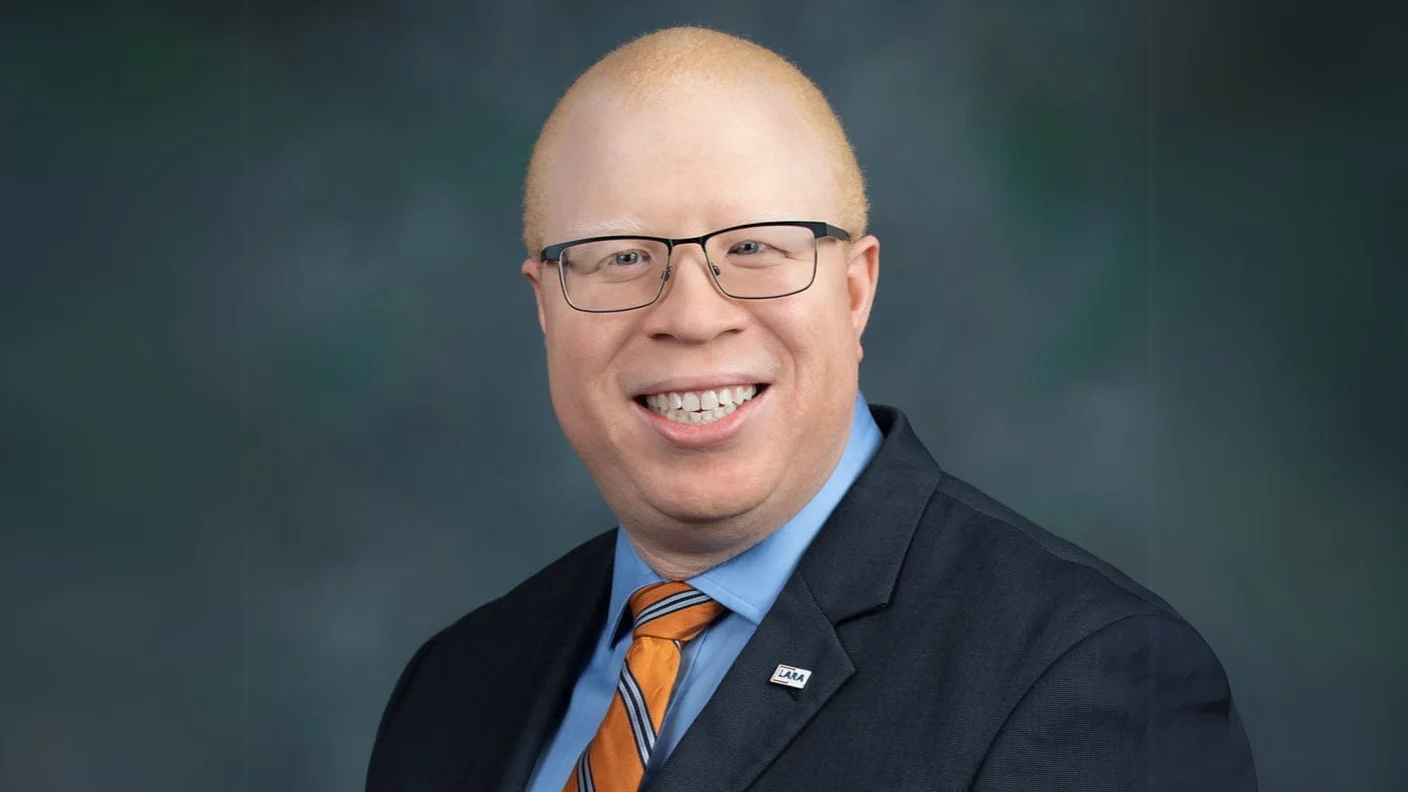
Ryan Long is Director of Congressional Relations and Senior Research Fellow at Paragon Health Institute. His background includes more than 25 years on Capitol Hill and in health policy, including roles with House Republican leadership and the Energy and Commerce Committee.







 Alerts Sign-up