

Sally Pipes, president and CEO of the Pacific Research Institute, said on May 21 that Congress should strengthen oversight and transparency in the federal 340B Drug Pricing Program, arguing that large hospital systems receive substantial drug discounts without clear evidence the savings reach vulnerable patients.
“If a charity organization collected billions of dollars with little evidence that needy people benefited, regulators and the public would quickly demand answers. Yet many large hospital systems participating in the federal 340B Drug Pricing Program are quietly doing just that—extracting billions in drug discounts with scarce oversight and no obligation to prove vulnerable patients benefit," Pipes said in an opinion column in Forbes.
"Congress must stop ignoring this problem and inject some badly needed transparency into 340B,” she added.
The 340B program requires drug manufacturers to sell outpatient drugs at discounted prices to eligible safety-net providers, but it does not require discounts to be passed directly to patients or specify how savings must be used, according to JAMA Health Forum.
Federal oversight gaps have also been identified by the U.S. Government Accountability Office, including limits in auditing for duplicate discounts and ensuring corrective action for noncompliance, as well as challenges in verifying eligibility compliance among participating entities.
Federal oversight gaps have also been identified by the U.S. Government Accountability Office, including limits in auditing for duplicate discounts and ensuring corrective action for noncompliance, as well as challenges in verifying eligibility compliance among participating entities.
Covered entities purchased $81.4 billion in covered outpatient drugs through the 340B program in calendar year 2024, according to the Health Resources & Services Administration. Disproportionate share hospitals accounted for $64.1 billion of that total. Health center programs accounted for $4.7 billion, children’s hospitals for $2.4 billion, and sexually transmitted disease clinics for $2.3 billion.
The program has expanded to more than 53,000 care sites affiliated with nearly 42,000 covered entities, according to the Commonwealth Fund. Contract pharmacy participation has also increased significantly since a 2010 policy change by the Health Resources & Services Administration. Policymakers have considered reforms aimed at improving oversight, increasing transparency, addressing duplicate discounts, and clarifying program definitions.
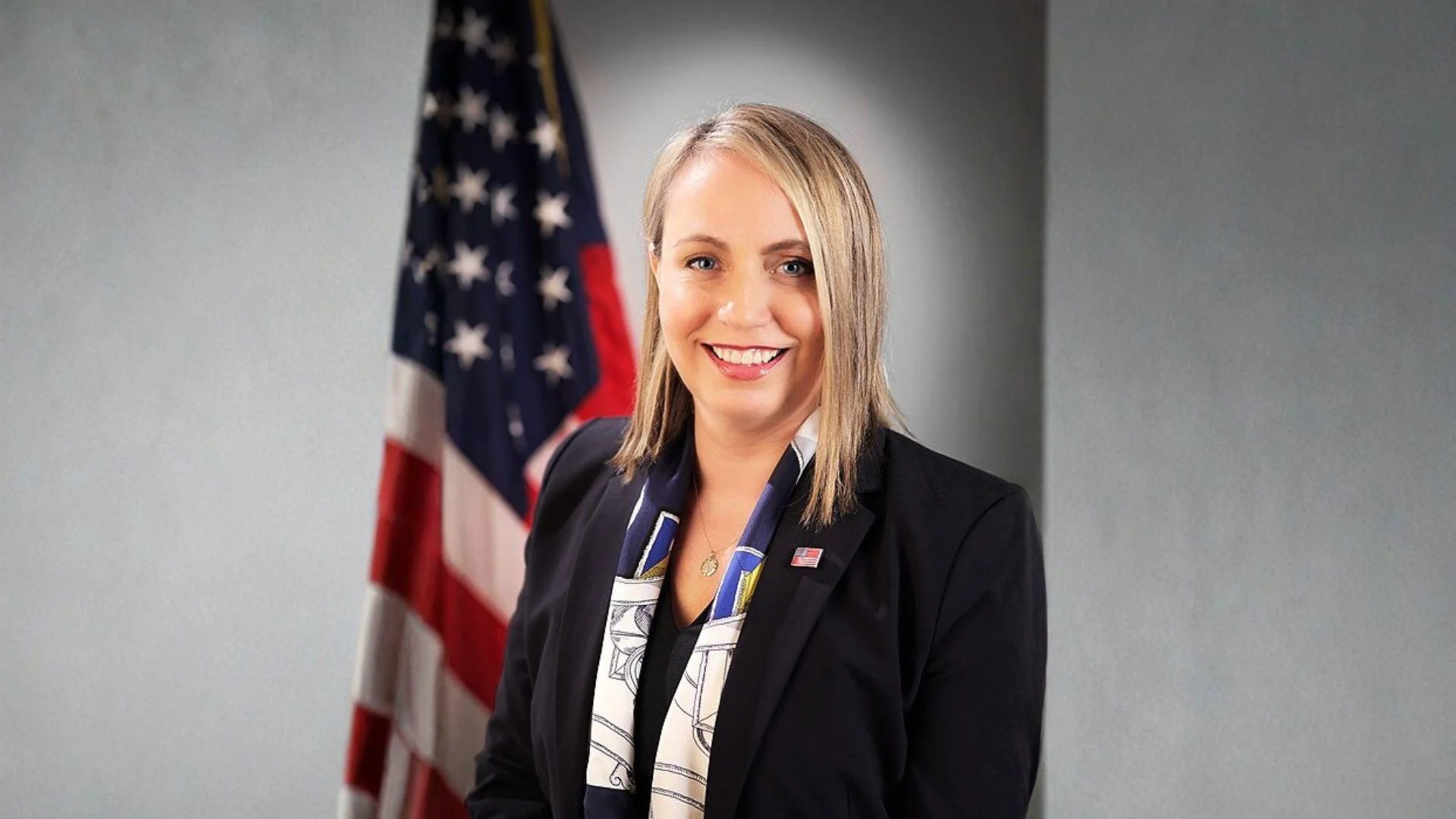
Sally C. Pipes is president, CEO, and Thomas W. Smith Fellow in Health Care Policy at the Pacific Research Institute. She became PRI president in 1991 and writes a health care column for Forbes.





 Alerts Sign-up